Autumn on Mount Etna invites you to explore the volcano at a different pace: woods changing colour, dark lava flows and towns where you can stop after a walk. The “Muntagna”, as it is known locally, remains an active volcano in every season: a change in the landscape does not mean a pause in volcanic activity.
Among beech, chestnut and birch trees, autumn foliage offers inspiration for hiking and photography. Planning your day still requires a route suited to your fitness and experience, together with up-to-date information about local conditions.
Autumn foliage on Mount Etna: where to look for colour
The contrast between lava rock and yellow, ochre and brown leaves is one of the season’s most striking features. Not all woodland changes colour in the same way: pine forests remain mostly green, while deciduous trees transform the landscape.
Etna Regional Park’s account of the volcano’s vegetation (in Italian) describes a mosaic shaped by altitude, exposure and ground conditions. Lower landscapes include oak and chestnut trees; higher up, beech and the distinctive Etna birch occur. The Park describes this birch as endemic to Etna.
- The northern side, Linguaglossa and the Piano Provenzana area: these are useful starting points for planning a visit to woodland landscapes. Choose an identified trail and check its altitude, elevation gain, surface and accessibility; not every route passes through the same tree species.
- The eastern side, between Milo and Zafferana Etnea: chestnut woodland and town landscapes offer other possibilities for an autumn day out. Valle del Bove presents a different landscape, also characterised by extensive lava-covered areas.
When to see autumn foliage
October and November are months to consider for an autumn visit, but there is no single date that applies to every side of the mountain. Colour and leaf fall depend on the species, altitude and the year’s weather. Before setting out, ask for recent information about your chosen route rather than assuming that the woods will be at their peak colour.
For photography, allow time for stops and consider the available light. Stay on permitted routes, avoid shortcuts to reach a viewpoint and do not cross fences or enter private land.
Towns, vineyards and traditions at the foot of the Muntagna
Nicolosi, Milo, Linguaglossa and Castiglione di Sicilia can be stops on a stay devoted to the Etna area. Farmland, vineyards, dry-stone walls and lava-stone buildings form part of the landscape, reflecting the relationship between local communities and the volcano.
A walk through a town and a visit to a producer can round off your day, with enough time allowed for travel. For tastings and winery visits, check availability, conditions and booking requirements directly. If you taste wine, arrange your return journey with a driver who does not drink.
In October, you can also explore our guide to Ottobrata Zafferanese 2026: dates, flavours and traditions on Etna.
How to prepare for an autumn hike
Preparation helps reduce risks without eliminating them. Match your equipment and itinerary to altitude, duration, terrain and the weather forecast.
- Dress in layers: bring breathable clothing, a warm layer and a waterproof, windproof jacket. At altitude, wind and cold can make conditions very different from those in the towns below.
- Choose hiking footwear: you need good grip and protection suited to the route. Agree any specific requirements with your guide; wet leaves, stones and volcanic ground call for care.
- Plan your timing and return: consider elevation gain, transfers, breaks and daylight hours. Carry water, food, a head torch and suitable navigation tools; do not rely solely on mobile reception.
- Check weather and access: consult notices from the competent authorities and information from the Park. Cancel or adjust your plans if conditions and the group’s abilities are not compatible.
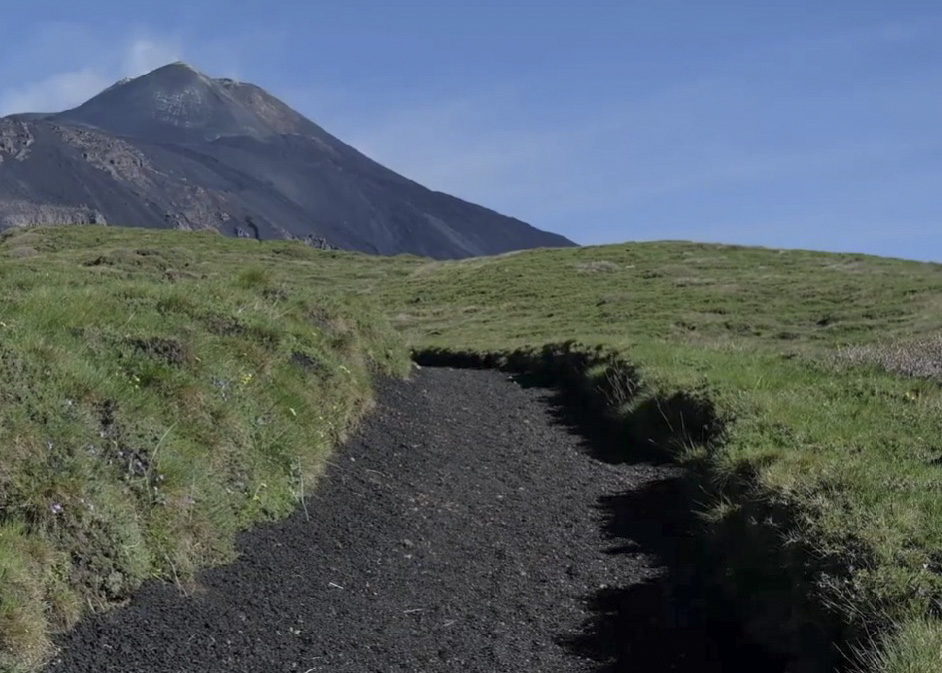
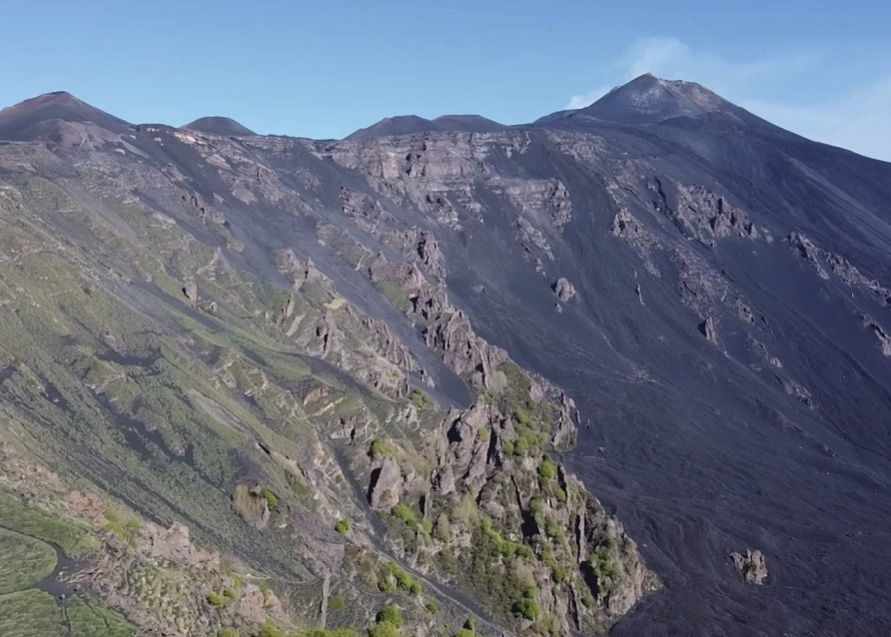
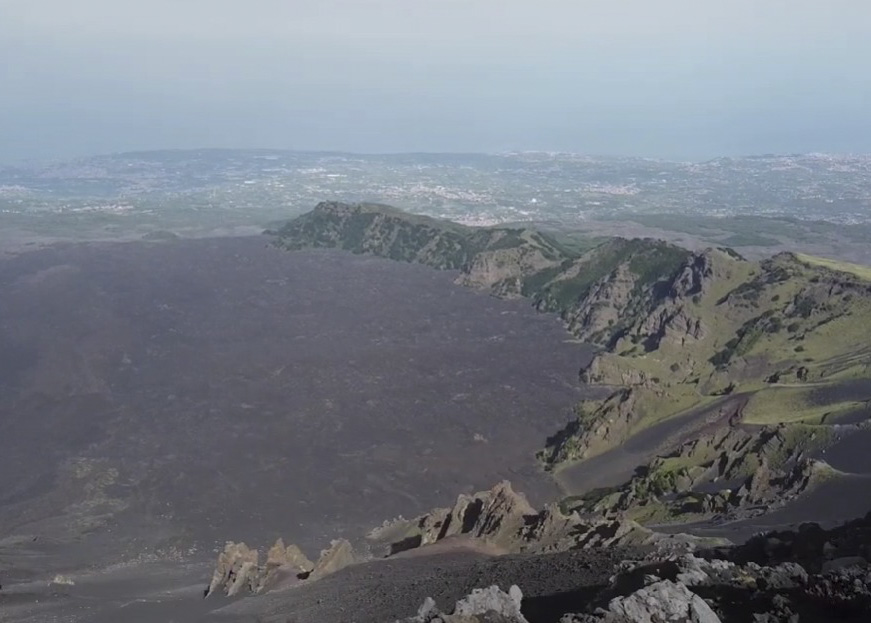
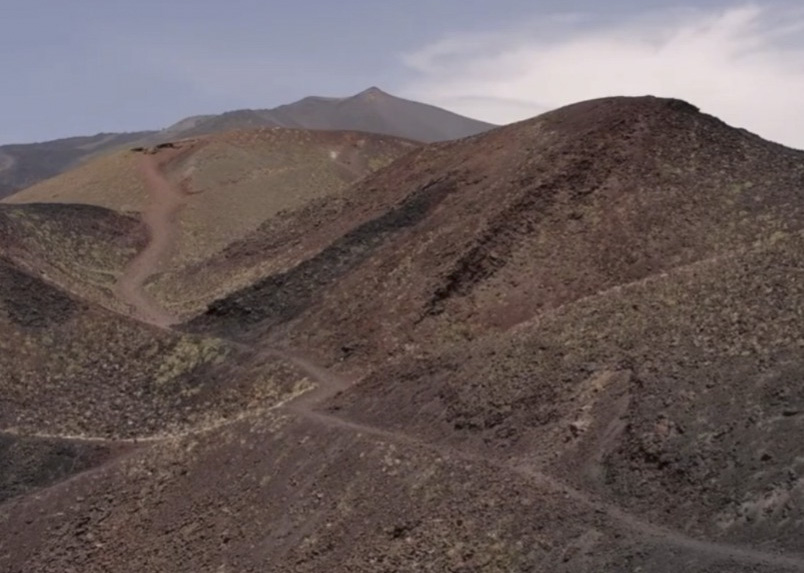
Photos from the Schiena dell’Asino trail
These personal photographs by Nunzio Pezzino were taken on Mount Etna along the Schiena dell’Asino trail. They show the volcanic landscape and do not establish current trail conditions or the timing of autumn foliage.
Nature hiking guides, mountain guides and volcanological guides: what to ask
Your choice of guide depends on the route: nature hiking guides, mountain guides and volcanological guides have different qualifications and professional scopes. A nature hiking guide can lead activities within their professional competence; membership of an association does not automatically confer qualification as a mountain or volcanological guide.
For excursions in active volcanic and summit areas, check current rules with the organiser and confirm that a qualified mountain or volcanological guide will accompany you wherever required. There is no access altitude that should be treated as permanently fixed: restrictions and permitted routes can change.
Before booking, ask who will lead the group, their qualifications, the planned route, difficulty, required equipment and conditions for changes or cancellation. A guide can help assess the route and explain local geology, botany and history, but cannot guarantee an absence of risk.
INGV – Etna Observatory bulletins (in Italian) describe volcano monitoring: they do not replace access orders or independently authorise an excursion. For further preparation, read our Etna hiking guide: route, safety and what to bring (in Italian).
Keep exploring with EtnaCircle
Choose a walk that suits you, check information before departure and make time for a stop in the Etna towns. Explore EtnaCircle’s guides (in Italian) and follow our WhatsApp channel for editorial updates.
Text reviewed on 1 October 2026. This is general guidance: foliage colours, weather and access conditions must be checked for your chosen date and route.
Leave a Reply